
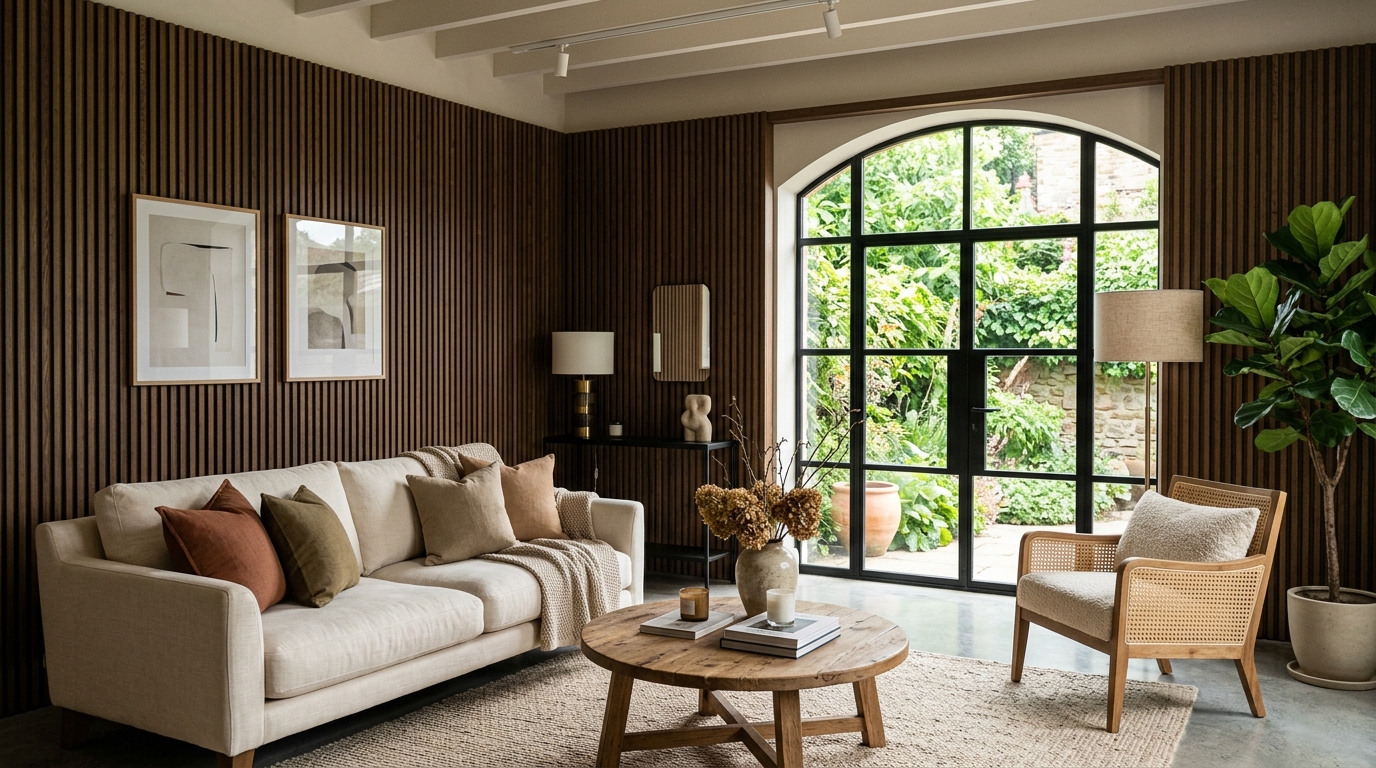
If you’ve scrolled through interior design photos lately, visited a newly renovated café, or walked into a friend’s freshly updated home, chances are you’ve seen them: decorative wall panels. From sleek wooden slats to bold geometric patterns and soft upholstered textures, wall panels are quietly (and sometimes dramatically) transforming spaces everywhere.
But why are decorative wall panels becoming so popular? And what makes them different from traditional paint or wallpaper? The answer lies in a mix of aesthetics, practicality, and a growing desire for more personalized, character-filled spaces.
1. People Want More Than Plain Walls
For years, minimalist white walls dominated interior design. Clean, simple, safe. But over time, many spaces started to feel a bit… flat. As people began spending more time at home — working remotely, hosting gatherings, creating content — they started craving interiors with more depth and personality.
Decorative wall panels instantly add dimension. Unlike paint, which changes only color, panels create texture and shadow. Light hits them differently throughout the day, making a room feel dynamic rather than static. Even a simple vertical slat design can completely change how a room feels.
Walls are no longer just structural elements. They’ve become design features.
2. They Make a Big Impact Without a Full Renovation
One of the biggest reasons behind the rise of decorative wall panels is how transformative they are without requiring major construction. You don’t need to tear down walls or redo your entire interior. Adding panels to a single accent wall can completely shift the mood of a room.
Homeowners love upgrades that deliver maximum visual impact with manageable effort. Compared to replacing flooring or remodeling a kitchen, installing wall panels is relatively quick. Many modern panel systems are even designed for easy installation, making them accessible for DIY enthusiasts.
This balance between dramatic change and practical effort is a big part of their appeal.
3. Social Media Has Accelerated the Trend
Interior design trends used to move slowly. Now, social media platforms showcase beautiful spaces from around the world instantly. A stunning living room in one country can inspire thousands of homeowners elsewhere within days.
Decorative wall panels are especially “photogenic.” They create depth in photos, frame furniture beautifully, and make rooms look professionally styled. Influencers and interior designers often use them as backdrops because they add interest without overwhelming the space.
As more people share their homes online, visually striking elements like wall panels naturally gain popularity.
4. They Combine Style and Function
It’s not just about looks. Many decorative wall panels also serve practical purposes.
Acoustic panels, for example, help reduce echo and improve sound quality — something that’s especially valuable in open-plan homes or home offices. Upholstered panels can soften noise in bedrooms. Wooden slat panels can subtly conceal uneven walls or hide minor imperfections.
In modern living spaces where kitchens, dining rooms, and living rooms often blend into one large area, sound control matters more than ever. Decorative panels offer a stylish solution to what was once a purely technical problem.
5. Versatility Across Design Styles
Another reason decorative wall panels are gaining popularity is their flexibility. They aren’t limited to one aesthetic.
Love Scandinavian simplicity? Light wood slats add warmth without clutter.
Prefer industrial design? Dark, textured panels create a bold, urban look.
Into classic elegance? Decorative molding panels bring timeless charm.
Want something modern and dramatic? 3D geometric panels make a strong statement.
This adaptability makes wall panels appealing to a wide audience. They can feel cozy, luxurious, edgy, minimal, or traditional — depending on the material, color, and pattern.
6. A Shift Toward Texture in Interior Design
Interior trends are clearly moving toward layered textures. Designers are mixing fabrics, natural materials, stone, metal, and wood to create spaces that feel rich and tactile.
Flat, smooth walls don’t always fit into this new design language. Decorative wall panels introduce texture vertically, balancing out furniture and flooring. They make a room feel more complete.
There’s also something psychologically comforting about textured spaces. They feel warmer and more inviting than empty, smooth surfaces. Especially in colder climates or modern apartments with lots of glass and concrete, wall panels help soften the environment.
7. They Add Perceived Value
For homeowners thinking long-term, decorative wall panels can increase a home’s visual value. A thoughtfully designed accent wall makes a property stand out during viewings. It signals care, taste, and attention to detail.
Even in commercial spaces — hotels, offices, restaurants — wall panels create a more premium atmosphere. Clients and guests often associate textured, well-designed interiors with higher quality overall.
In competitive real estate and hospitality markets, those subtle impressions matter.
8. Customization and Personal Expression
Modern consumers value individuality. They don’t just want a home that looks nice — they want a home that feels like them.
Decorative wall panels offer countless options for customization: materials, colors, spacing, shapes, finishes. Some people prefer symmetrical patterns; others choose organic, irregular designs. Some go bold with dark tones; others keep it soft and neutral.
Because panels can be used on one wall or throughout an entire room, they allow for experimentation without overwhelming commitment.
9. Sustainability Considerations
Another factor driving popularity is the growing interest in sustainable materials. Many manufacturers now offer panels made from recycled wood, responsibly sourced timber, or eco-friendly composites.
As people become more environmentally conscious, they look for design solutions that align with their values. Choosing durable, long-lasting wall panels can also reduce the need for frequent repainting or redecorating.
The Future of Decorative Wall Panels
Decorative wall panels aren’t just a short-lived trend. They reflect deeper shifts in how we think about our spaces. Homes are no longer just places to sleep — they are workplaces, social hubs, creative studios, and personal retreats.
In such multifunctional environments, walls need to do more than exist quietly in the background. They need to contribute.
Whether it’s through texture, sound control, warmth, or pure visual drama, decorative wall panels answer that need beautifully.
As design continues evolving toward comfort, personality, and layered detail, it’s safe to say that decorative wall panels aren’t going anywhere. They’ve moved beyond trend status — they’ve become a modern design staple.
Leave a Reply